How Long Does a Roof Last in Missouri? What Homeowners Should Know
Missouri weather can shorten or extend the lifespan of a residential roof depending on materials and maintenance.
Storms, hail, heat, and humidity all affect how long a roof lasts in the Midwest.
Understanding roofing lifespans helps homeowners plan maintenance, repairs, and replacement before serious damage occurs.
VALLEY PARK, MO (EPSTLRoofing) Roofs in Missouri endure some of the most challenging weather conditions in the United States. Between powerful thunderstorms, hail events, high summer heat, freezing winter temperatures, and occasional tornadoes, homes across the state face constant environmental stress.
Because of this, many homeowners ask an important question: how long does a roof last in Missouri?
The answer depends on several factors, including roofing materials, installation quality, exposure to weather, maintenance practices, and ventilation systems. While national averages often suggest a typical lifespan for roofing materials, Missouri’s climate can shorten or extend those timelines.
Understanding the expected lifespan of different roof types helps homeowners plan for maintenance, repairs, and eventual replacement before costly damage occurs.
Missouri Weather and Its Impact on Roof Lifespan
Missouri sits in a region where multiple weather patterns collide. The state experiences hot, humid summers and cold winters, along with frequent storms that produce wind, hail, and heavy rain.
These conditions create a challenging environment for roofing systems.
Summer heat can cause shingles to expand and contract repeatedly. Over time, this movement weakens roofing materials, causing them to crack or curl.
Winter temperatures introduce another risk. Snow accumulation followed by melting and refreezing can create ice dams along roof edges. Ice dams force water under shingles, where it can cause leaks and structural damage.
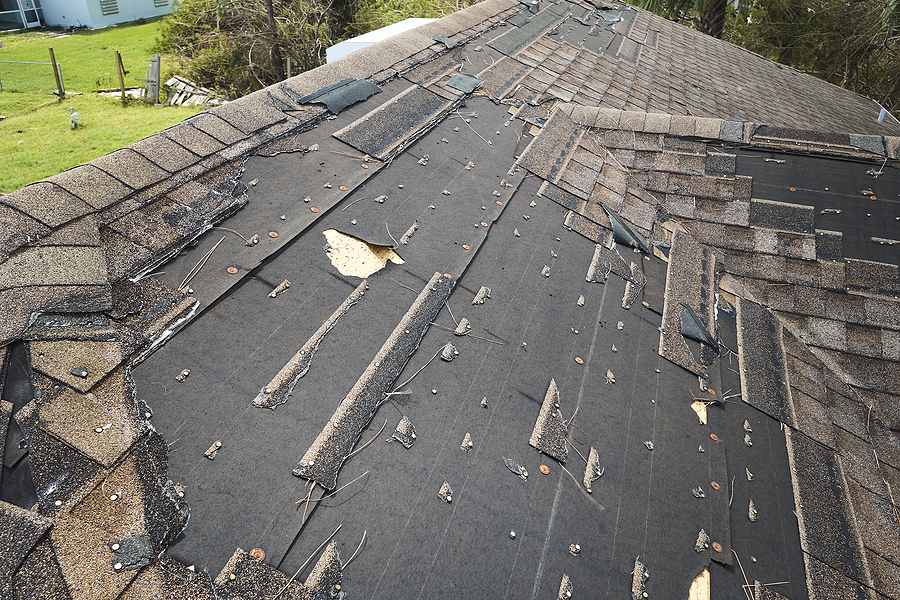
Storm activity is another major factor affecting roof longevity in Missouri. Hailstorms can bruise shingles and remove protective granules, while strong winds can lift or tear roofing materials away from the structure.
Because of these conditions, roofs in Missouri often experience faster wear than roofs in regions with milder climates.
Average Lifespan of Asphalt Shingle Roofs
Asphalt shingles are the most common roofing material used in Missouri homes. They are affordable, widely available, and suitable for most residential structures.
Under normal conditions, an asphalt shingle roof typically lasts between 20 and 30 years.
However, Missouri’s weather can reduce that lifespan depending on storm exposure and maintenance.
Three-tab asphalt shingles usually have the shortest lifespan, often lasting between 18 and 22 years in the Midwest.
Architectural shingles, which are thicker and more durable, can last 25 to 30 years or longer when properly installed.
Premium architectural shingles may last for more than 30 years if the roof receives regular inspections and proper ventilation.
While asphalt shingles are durable, they are still vulnerable to hail impact, high winds, and long-term heat exposure.
Metal Roof Lifespan in Missouri
Metal roofing has become increasingly popular across Missouri due to its durability and resistance to storm damage.
A properly installed metal roof can last 40 to 70 years, depending on the material used.
Steel roofing panels with protective coatings often last several decades with minimal maintenance. Aluminum roofs resist corrosion and may last even longer in humid environments.
Metal roofs also perform well during storms because they resist wind uplift and shed snow efficiently.
Although the initial cost of metal roofing is higher than that of asphalt shingles, the extended lifespan and lower maintenance requirements often make it a cost-effective long-term investment.
Wood Shake and Cedar Roof Lifespan
Wood shake and cedar roofs are valued for their natural appearance and traditional aesthetic.
In Missouri, cedar roofs typically last 20 to 35 years when properly maintained.
However, wood roofing materials require more attention than other roofing systems. Missouri’s humidity can create conditions that promote mold, mildew, and algae growth.
Regular treatment, cleaning, and inspections are necessary to prevent moisture damage and deterioration.
Without proper care, wood roofs may deteriorate faster than expected in humid climates.
Tile and Slate Roof Lifespan
Tile and slate roofs are among the most durable roofing systems available.
Clay or concrete tile roofs can last 50 to 100 years under ideal conditions.
Slate roofs are even more durable, sometimes lasting over a century when installed correctly.
However, these materials are less common in Missouri due to their weight and higher installation costs. Many homes are not structurally designed to support heavy roofing materials like slate.
When used on suitable structures, however, tile and slate roofs offer exceptional longevity and resistance to fire, insects, and weather damage.
How Storm Damage Affects Roof Longevity
Missouri experiences frequent severe storms throughout the spring and summer months.
Hailstorms are particularly damaging to roofing materials. Even small hailstones can strip protective granules from asphalt shingles, reducing their ability to repel water and resist UV damage.
Large hail can crack shingles, dent metal panels, and weaken roofing systems in ways that may not immediately cause leaks but can shorten the roof’s overall lifespan.
Strong winds can also lift shingles and break the seal that holds them in place. Once shingles are lifted, rainwater can enter beneath the roofing system.
Storm damage often accelerates roof deterioration and may require partial or full replacement earlier than expected.
The Importance of Roof Ventilation
One factor that many homeowners overlook is roof ventilation.
Proper ventilation allows heat and moisture to escape from the attic space. Without it, heat buildup during Missouri summers can damage shingles from underneath.
Excess heat can cause roofing materials to age prematurely, significantly reducing their lifespan.
Ventilation also helps prevent condensation during the winter months. Moisture trapped in attic spaces can lead to mold growth and structural damage.
A properly ventilated roof system can add several years to the lifespan of roofing materials.
Maintenance That Extends Roof Life
Routine maintenance plays a major role in determining how long a roof will last.
Regular inspections help identify small issues before they become major problems. Missing shingles, damaged flashing, clogged gutters, and minor leaks can all be repaired before significant damage occurs.
Cleaning debris from the roof and gutters also prevents water buildup that could damage roofing materials.
Homeowners should consider professional roof inspections after major storms, or at least once every 1 to 2 years.
Addressing minor issues early helps extend the life of the roofing system and protects the home from structural damage.
Signs That a Roof May Need Replacement
Even with proper maintenance, every roof eventually reaches the end of its lifespan.
Several warning signs indicate that replacement may be approaching.
Shingles that are curling, cracking, or missing often suggest aging materials. Granules accumulating in gutters are another sign that asphalt shingles are deteriorating.
Water stains on ceilings or walls may indicate roof leaks.
Sagging roof sections can signal structural problems that require immediate attention.
Homeowners who notice these signs should have their roof evaluated by a professional to determine whether repair or replacement is necessary.
Why Missouri Homeowners Should Plan Ahead
Roof replacement is a major investment for homeowners.
Planning ahead helps avoid emergency repairs that may occur after severe weather events.
Understanding how long a roof lasts in Missouri helps homeowners prepare financially and schedule a replacement before major problems develop.
Many roofing experts recommend inspections once a roof reaches 15 years of age, especially for asphalt shingle systems.
Early planning ensures homeowners have time to evaluate options, select materials, and schedule work before storms or leaks cause costly damage.
Protecting Your Home From Missouri’s Harsh Climate
Missouri’s unpredictable weather makes roofing one of the most important components of a home’s structure.
While no roofing system lasts forever, selecting quality materials, ensuring proper installation, and performing regular maintenance can significantly extend a roof’s lifespan.
Homeowners who stay proactive with inspections and repairs often see their roofs last longer than expected, even in a climate known for severe storms.
Understanding how long a roof lasts in Missouri allows homeowners to make informed decisions that protect their property, improve safety, and preserve the long-term value of their homes.