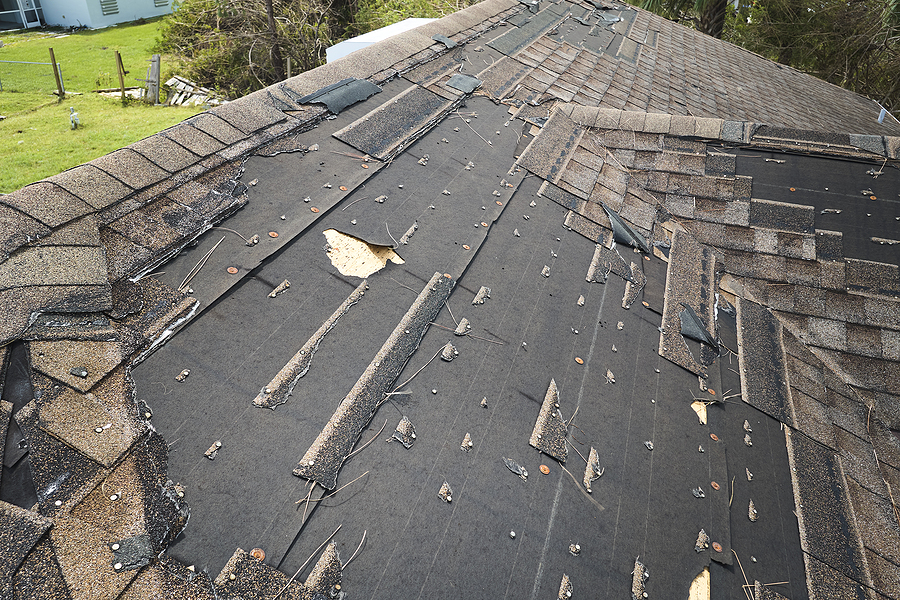
Storm Damage Roof Repair in St. Louis: What Homeowners Must Do Immediately
ST. LOUIS, MO (EPSTLRoofing) When severe weather hits the St. Louis region, your roof takes the first impact. High winds, hail, heavy rain, and falling debris can cause hidden damage that leads to leaks, mold, structural problems, and costly repairs if not addressed quickly.
If you are searching for storm damage roof repair in St. Louis, this guide will walk you through what to look for, what to do next, and how to protect your home and your insurance claim.
Why Storm Damage Is So Common in St. Louis


St. Louis weather is unpredictable. Spring hailstorms, summer high winds, and winter ice accumulation regularly damage residential roofing systems across the region.
The most common roofing issues after a storm include:
- Missing or lifted shingles
- Hail impact bruising
- Flashing damage around chimneys and vents
- Water intrusion in attic spaces
- Gutter and downspout detachment
Many homeowners don’t realize that damage may not be visible from the ground. That’s why a professional roof inspection after severe weather is critical.
7 Signs You Need Storm Damage Roof Repair in St. Louis
If you notice any of the following, you should schedule an inspection immediately:
1. Shingles in Your Yard
After high winds, shingles may detach and land in your yard or driveway.
2. Dark Spots or Bruising
Hail impacts leave circular marks that weaken shingles and shorten their lifespan.
3. Ceiling Water Stains
Brown or yellow spots inside your home often signal roof leaks.
4. Granules in Gutters
Excessive shingle granules in gutters after a storm indicate surface damage.
5. Bent or Loose Flashing
Metal flashing around roof penetrations can loosen during wind events.
6. Sagging Roof Areas
This may indicate structural or decking damage.
7. Rising Energy Bills
Storm damage can compromise insulation and ventilation, increasing heating and cooling costs.
Even minor issues can escalate quickly if ignored.
What to Do Immediately After a Storm
When a severe storm passes through St. Louis, take these steps:
Step 1: Perform a Safe Ground Inspection
Do not climb on your roof. Walk around your property and look for visible damage.
Step 2: Document Everything
Take photos of:
- Damaged shingles
- Debris impact
- Interior leaks
- Gutter damage
Documentation is critical for insurance claims.
Step 3: Contact a Local Roofing Contractor
Choose a local company experienced in storm damage roof repair in St. Louis, not an out-of-town storm chaser.
Step 4: Schedule a Professional Inspection
A licensed contractor will:
-
Check for hidden damage
-
Inspect attic ventilation
-
Evaluate structural integrity
-
Provide a detailed damage report
How Insurance Claims Work for Roof Storm Damage
Many homeowners are unsure how the insurance process works.
Here’s a simplified breakdown:
- You contact your insurance company.
- An adjuster inspects the roof.
- Damage is evaluated.
- Repair or replacement is approved based on policy coverage.
A reputable roofing contractor can assist by:
- Meeting with the adjuster
- Providing documentation
- Ensuring all legitimate damage is accounted for
This often prevents underpayment or overlooked issues.
Repair vs. Replacement: What’s the Right Move?
Not all storm damage requires full replacement. The decision depends on:
- Age of the roof
- Extent of damage
- Number of impacted areas
- Insurance coverage
If hail damage is widespread, replacement is often more cost-effective in the long term. If damage is isolated, targeted repairs may be sufficient.
A professional inspection is the only way to determine the best solution.
Why Hiring a Local St. Louis Roofing Contractor Matters
After large storms, out-of-state contractors flood the area, offering quick repairs. Homeowners should be cautious.
A local roofing contractor offers:
- Established reputation in the community
- Knowledge of Missouri weather patterns
- Familiarity with local building codes
- Ongoing warranty support
- Accountability after the job is completed
Storm damage roof repair in St. Louis requires understanding regional weather risks and insurance standards.
How to Prevent Future Storm Damage
While storms can’t be avoided, you can reduce risk:
- Schedule annual roof inspections
- Replace aging shingles before failure
- Install impact-resistant materials
- Maintain proper attic ventilation
- Keep gutters clear
Preventative maintenance extends the life of your roofing system and reduces emergency repairs.
The Cost of Ignoring Storm Damage
Delaying repairs can lead to:
- Mold growth
- Wood rot
- Structural deterioration
- Insulation damage
- Higher insurance deductibles
- Decreased home value
Small leaks become major structural repairs if left untreated.
Frequently Asked Questions About Storm Damage Roof Repair in St. Louis
How soon should I call a roofer after a storm?
Within 24–48 hours if visible damage is present.
Will my insurance cover hail damage?
Most homeowner’s policies cover sudden storm-related damage, but coverage varies.
How long does roof repair take?
Minor repairs may take a day. Full replacements may take 1–3 days, depending on size.
Is emergency tarping necessary?
If active leaks are present, tarping prevents further interior damage until permanent repairs are made.
Protect Your Home Before the Next Storm
Severe weather in the St. Louis area is inevitable — but major roof damage doesn’t have to be.
If you suspect your home needs storm damage roof repair in St. Louis, don’t wait. Early inspections and timely repairs protect your investment, your family, and your long-term home value.
The key is to act quickly and choose a trusted local roofing contractor who understands Missouri weather conditions and insurance procedures.